
The cultural triangle comprises of the region enclosed by the first, second and final kingdoms of Sri-Lanka, namely Anuradhapura, Polonnaruwa and Kandy respectively. No tour of the Nation would be complete without visiting these sites as the cultural triangle covers many popular UNESCO world heritage sites and historical attractions such as the Sigiriya Rock Fortress and the Dambulla Cave Temple.
Anuradhapura
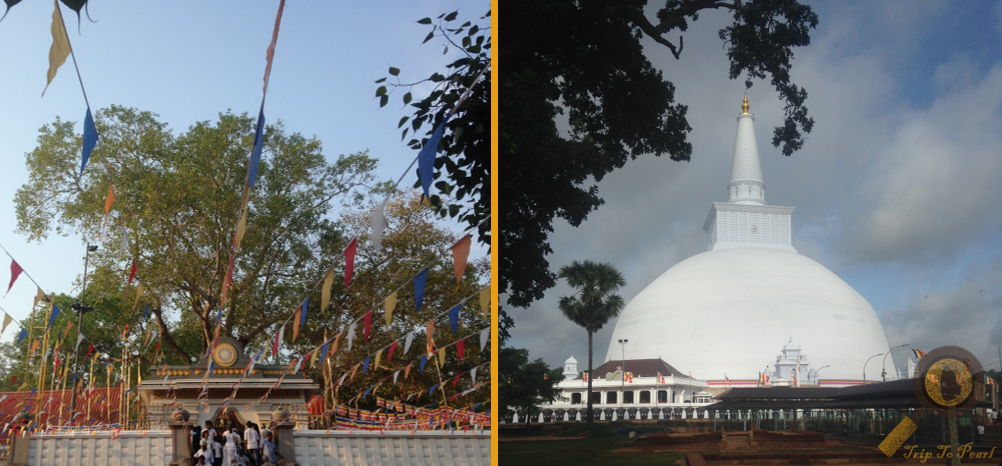
Known infamously as the first kingdom of Sri-Lanka, Anuradhapura is located in the North-Central province of the Nation. The kingdom dates back from the 4th century BC until the 10th century AD, lasting for an extensive period of 1400 years. The city is considered sacred by Buddhists because Buddhism was introduced to the Nation during the 3rd century BC and the right sapling of the sacred Bo tree under which the Buddha was enlightened was subsequently brought down from India to this country and planted during the reign of the kingdom. The sapling, known as Sri-Maha Bodhiya, stands today as the world’s oldest recorded tree. Many early Buddhist monasteries and stupas built enshrined with the Buddha’s relics and artifacts can still be explored as they are preserved and protected up to date. The ancient city, filled with monuments and ruins of archaeological importance with popular history embedded, is now marked as a UNESCO world heritage site.
Attractions
Sri-Maha Bodhiya, Ruwanweli stupa, Abhayagiri monastery, Jetavana monastery, Isurumuniya temple and many more.
Polonnaruwa
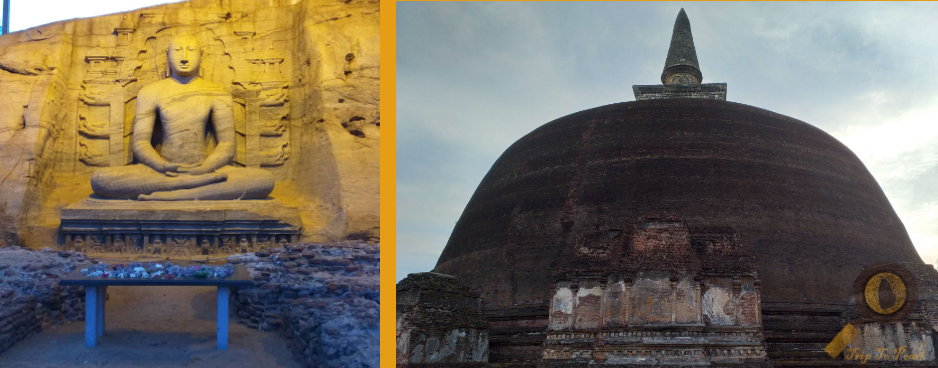
After a shift from the Anuradhapura kingdom, Polonnaruwa was the second kingdom of Sri-Lanka dating for the 11th century AD and the 12th century AD, lasting for 200 years. Within this time span, there were many variations in archaeological monuments and infrastructure that are worth exploring even to this date. The ancient city, also deemed as a UNESCO world heritage site, still displays the King’s palace and amenities, ruins of early monasteries and crucial relic chambers that played key roles during the transitions made within kingdoms in the past.
Attractions
Initial Temple of the Tooth relic (Atadage and Hetadage), circular relic chamber (Watadage), King’s palace and audience hall, Royal bath, Rankoth viharaya, Alahana Pirivena monastery, Parakramabahu statue, beautifully carved rock Buddha statues from the Galvihara complex and many more.
Kandy
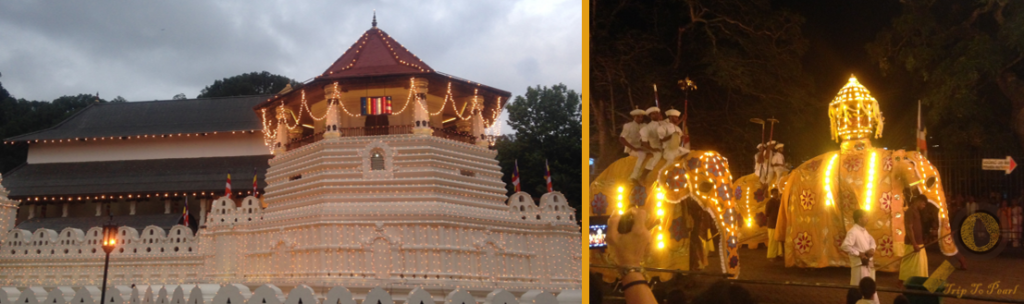
Kandy, also known as “Senkadagalapura”, was the last kingdom of Sri-Lanka that lasted for 300 years before being conquered by the British, dating from the 16th century AD until the 19th century AD. Kandy is a UNESCO world heritage living city, holding the most value as a sacred city for housing the sacred Tooth relic of the Buddha within the Dalada Maligawa and being the most sacred place of worship for Buddhists. Kandy is also called the hill-capital of the Nation for its scenic environment that is further exhibited by the Royal Botanical Gardens situated within the city limits. Kandy attracts many locals and foreign tourists during the months of July and August for Asia’s most spectacular pageant, the Kandy Esala perahera. This event showcases a glorified replica casket of the Tooth relic alongside a brightly lit parade of elephants, traditional Kandyan dancers and chieftains, all worthwhile to witness.
Attractions
Dalada Maligawa (Temple of the Tooth relic), Royal Botanical Gardens, Tea museum, Gadaladeniya ancient temple, Embekke ancient temple, Lankathilake ancient temple and many more.
Within The Cultural Triangle
Sigiriya
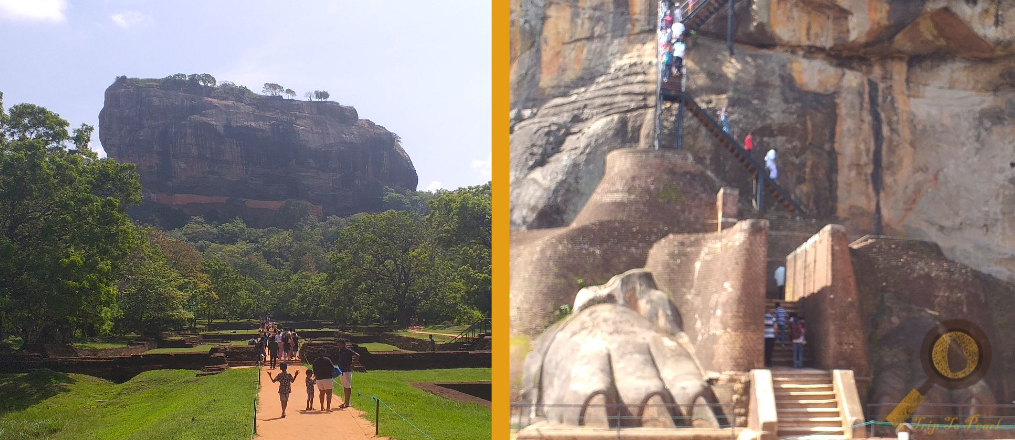
Popularly known as Lions Rock, Sigiriya is one of the 8 UNESCO World Heritage Sites in Sri-Lanka and is a very popular attraction for tourists. The history goes back to the 5th Century AD, when King Kasyapa, who was rejected by the people and the Buddhist clergy for forcibly taken over the kingdom by killing his own father King Dhathusena, decided to establish his kingdom in this well fortified compound. by building his palace on top of this rock summit. Before one reaches the summit, one would pass the magnificent water gardens, beautiful frescoes and mirror wall before arriving at the massive stone Lions Paws, which lends the Rock its nickname “Lions Rock”.
Dambulla Cave Temple
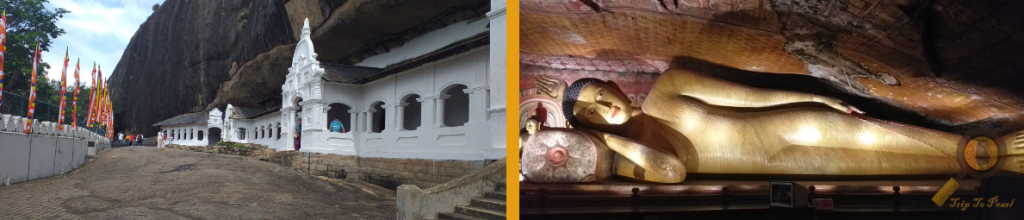
The Dambulla Cave Temple is yet another UNESCO World Heritage Site in Sri-Lanka which dates back to the 1st Century BC. These caves were where King Valagamba sought refuge during his 14 years of being in exile. Upon regaining his throne, the King converted these caves into Image houses which now contain over 150 Buddha statues, including a 14m long reclining Buddha statue. Visitors can also see beautiful Kandyan era paintings within these caves.
Attractions
Mihintale, Aukana Buddha statue, Kaudulla/Minneriya National Park (Best safaris to witness wild elephant gatherings in large numbers), Pidurangala, Ritigala and many more.